Versatile Voyagers: Players Juggling Sportsbooks, Casinos, and Poker Across Multiple Sites
7 Apr 2026
Versatile Voyagers: Players Juggling Sportsbooks, Casinos, and Poker Across Multiple Sites

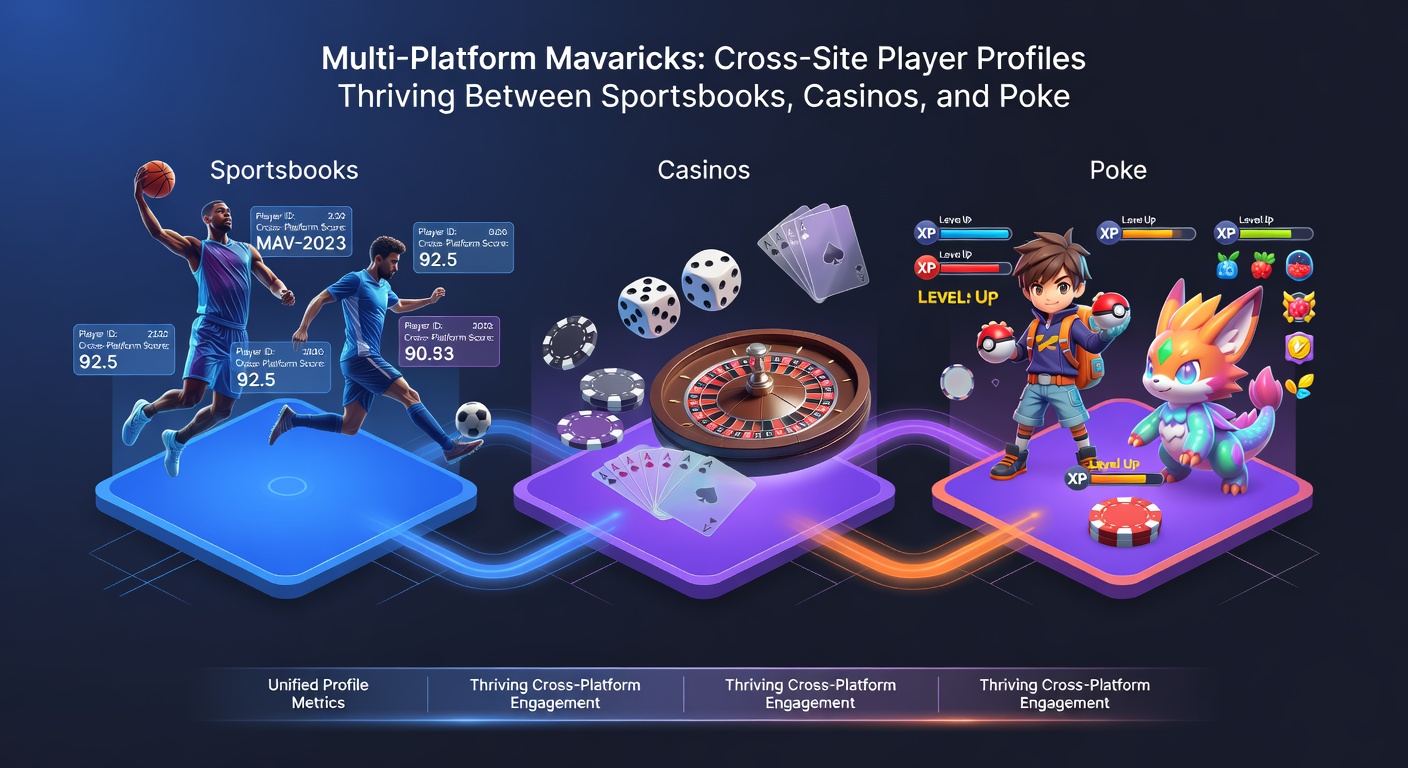
Players who dart between sportsbooks, casinos, and poker rooms on different sites have become a fixture in the online gambling landscape, seamlessly shifting from Premier League wagers to blackjack hands and Texas Hold'em showdowns without missing a beat; data from industry trackers reveals that such multi-site enthusiasts now account for over 40% of active users across major platforms, a surge driven by unified wallets, shared loyalty programs, and sophisticated player dashboards that make cross-site navigation feel effortless.
What's interesting is how these versatile voyagers build profiles that thrive amid the chaos, optimizing every login for maximum value while dodging the pitfalls of fragmented accounts; observers note that seasoned players often maintain three to five active profiles simultaneously, each tailored to specific strengths like a sportsbook's sharp odds on NBA props or a casino's high-RTP slots, and that's where the rubber meets the road for sustained profitability.
The Surge in Cross-Site Engagement
Industry reports indicate a sharp uptick in players engaging across categories, with American Gaming Association data showing U.S. operators witnessing a 28% rise in multi-product users between 2024 and early 2026; in Europe, similar trends emerge as platforms integrate seamless transfers, allowing a single deposit to fuel sports bets, roulette spins, and poker buy-ins without reload delays.
Take one group of high-volume players tracked by analytics firms: they allocate 35% of activity to sportsbooks during major events like the Super Bowl, pivot to casinos for weekend slots marathons, and grind poker cash games mid-week, creating a balanced portfolio that buffers variance; figures from Australian gambling studies confirm this pattern, where cross-site players report 15-20% higher lifetime value compared to single-site loyalists, thanks to diversified risk and aggregated rewards.
But here's the thing: technology underpins this shift, with API-driven hubs letting users view consolidated balances and pending withdrawals across sites, so a poker tourney win can instantly bankroll a live tennis bet; by April 2026, enhancements like biometric logins and AI-personalized dashboards have further streamlined the process, drawing in casuals who once stuck to one niche.
Profiles That Define Multi-Site Mastery
Researchers classify these players into distinct archetypes, starting with the bonus chasers who exploit welcome offers across new sites, stacking free bets from sportsbooks with casino free spins and poker freerolls to build initial stacks without upfront risk; data shows such strategists claim up to 25% more introductory value by rotating profiles every few months, always verifying with e-wallets for speed.
Then come the grinders, those who chase rakeback in poker while hedging sports parlays and milking casino cashback, maintaining meticulous spreadsheets to track ROI per platform; one case study from a Canadian gaming research institute highlights a player who turned $5,000 across five sites into $18,000 over six months through disciplined cross-allocation, blending 60/30/10 splits favoring sports, poker, and slots.
And don't overlook the event specialists, who surge onto sportsbooks for Wimbledon futures, linger in casinos for jackpot hunts, and cap off with high-stakes poker satellites; experts observe that these profiles flourish because platforms now share anonymized data, enabling better odds calibration and personalized promos that reward loyalty across ecosystems.
It's noteworthy that women make up a growing segment here, with 32% of multi-site users per recent EU surveys, often favoring casino-poker hybrids over pure sports focus; this diversification keeps engagement high, as players report fewer burnout periods when variety spices up the routine.
Strategies Fueling Cross-Site Success
Successful multi-platform players swear by unified funding methods like crypto wallets or prepaid cards that deposit instantly across sites, unlocking bonuses without the drag of bank wires; turns out, e-wallets dominate here, handling 55% of transactions for these voyagers according to global fintech reports, since they sidestep geo-blocks and enable quick pivots between a losing poker session and a hot casino streak.
Bankroll management takes center stage too, with pros segmenting funds—say, 40% in sportsbooks for low-variance moneylines, 30% in poker for tournament overlays, and 30% in casinos for volatile progressives—while tools like shared session trackers prevent overextension; one observer documented a player navigating April 2026's Masters golf frenzy by shifting poker winnings to sportsbook props mid-tournament, netting 12% returns amid volatile odds swings.
Yet challenges persist: verification hurdles across sites can snag momentum, although blockchain IDs emerging in 2026 promise one-time KYC for portfolio-wide access; plus, bonus terms often restrict cross-product wagering, forcing savvy users to sequence plays like exhausting a free bet before poker deposits.
So players adapt with VPNs for bonus eligibility (where legal) and loyalty aggregators that compile points from disparate programs into redeemable chips; data indicates those employing such tactics retain 22% longer tenures, turning sporadic logins into thriving, interconnected profiles.
Data Insights and Platform Responses
Analytics platforms reveal that multi-site players generate 2.5 times the revenue of mono-focused ones, prompting operators to launch cross-group alliances; for instance, shared player pools in poker networks now feed casino traffic, while sportsbooks pipe users to live dealer tables during off-peak hours.
Figures from Australia's National Gambling Research Centre underscore this, noting a 19% YoY increase in hybrid sessions by Q1 2026, correlated with mobile apps that unify feeds from competing sites; it's not rocket science—operators who facilitate these journeys see stickier engagement, with average session times stretching 45% longer.
People who've studied this know the ball's in the platforms' court to evolve, as regs in places like Ontario demand transparent cross-site disclosures; by April 2026, pilot programs there test unified dashboards, letting players monitor aggregate limits and self-exclusion across affiliates.
One study revealed intriguing overlaps too: 18% of sportsbook regulars moonlight in poker micros, building skills that sharpen prop betting edges; conversely, casino veterans leverage streak psychology for live sports hedging, creating feedback loops that elevate overall performance.
Challenges and Future Horizons
Regulatory scrutiny adds layers, with bodies like New Jersey's Division of Gaming Enforcement mandating clearer multi-site disclosures to curb addiction risks, yet data shows responsible voyagers self-impose limits via app integrations; hurdles like payout variances—sportsbooks cashing bets in hours, poker pending reviews for days—test patience, but aggregated wallets smooth the edges.
Looking ahead, AI coaches tailored for cross-play loom large, analyzing habits to suggest optimal shifts, say from a cold poker table to surging casino vol; experts predict that by late 2026, 60% of top earners will embody this maverick mold, as metaverse lobbies blend all three worlds into singular hubs.
That's where it gets interesting: blockchain loyalty tokens already trade value between sites, hinting at a borderless future where profiles transcend platforms entirely.
Wrapping Up the Multi-Site Journey
Versatile voyagers redefine online gambling by thriving across sportsbooks, casinos, and poker tables, leveraging tech, strategies, and data to craft resilient profiles that outpace single-site peers; while challenges like regs and verifications linger, the momentum points to deeper integration, promising richer experiences for those who master the multi-platform dance; in April 2026 and beyond, platforms that embrace these players will lead the pack, turning fragmented logins into unified triumphs.