27 May 2026
The Scoreboard Effect: Rating Dynamics Driving Payment Decisions in Multi-Game Environments

Rating systems have emerged as central drivers in how users select payment methods within platforms that combine slots, poker tables, sports wagering, and bingo rooms under one account. Observers note that visible scores attached to deposit and withdrawal options often determine which processors players choose when multiple games compete for their attention and funds.
Understanding the Mechanism Behind Visible Scores
Platforms aggregate user feedback into numerical ratings displayed alongside each payment provider, and these numbers shift based on transaction speed, fee structures, and reliability reports submitted after each interaction. Researchers at institutions tracking digital finance patterns have documented how a drop of even half a point in average score correlates with measurable declines in selection rates for that method during peak activity hours. Data compiled through May 2026 shows platforms integrating these scores directly into checkout flows, where higher-rated options receive prominent placement while lower-scoring alternatives recede in the interface.
Payment processors respond by monitoring their own scores in real time and adjusting service parameters to protect position. One documented case involved an e-wallet provider that reduced processing times across European and North American accounts after its rating fell below a critical threshold on several multi-game sites, resulting in restored selection volume within weeks.
Cross-Game Interactions and Payment Preferences
Multi-game environments create distinct pressures because players often move between high-frequency low-stake bingo sessions and longer-duration poker tournaments or sports events within the same session. Those transitions prompt rapid decisions about which payment rail to use for topping up balances or cashing out winnings, and ratings serve as quick reference points during those switches. Figures from industry monitoring groups indicate that users who maintain activity across three or more game types consult ratings more frequently than single-game participants.
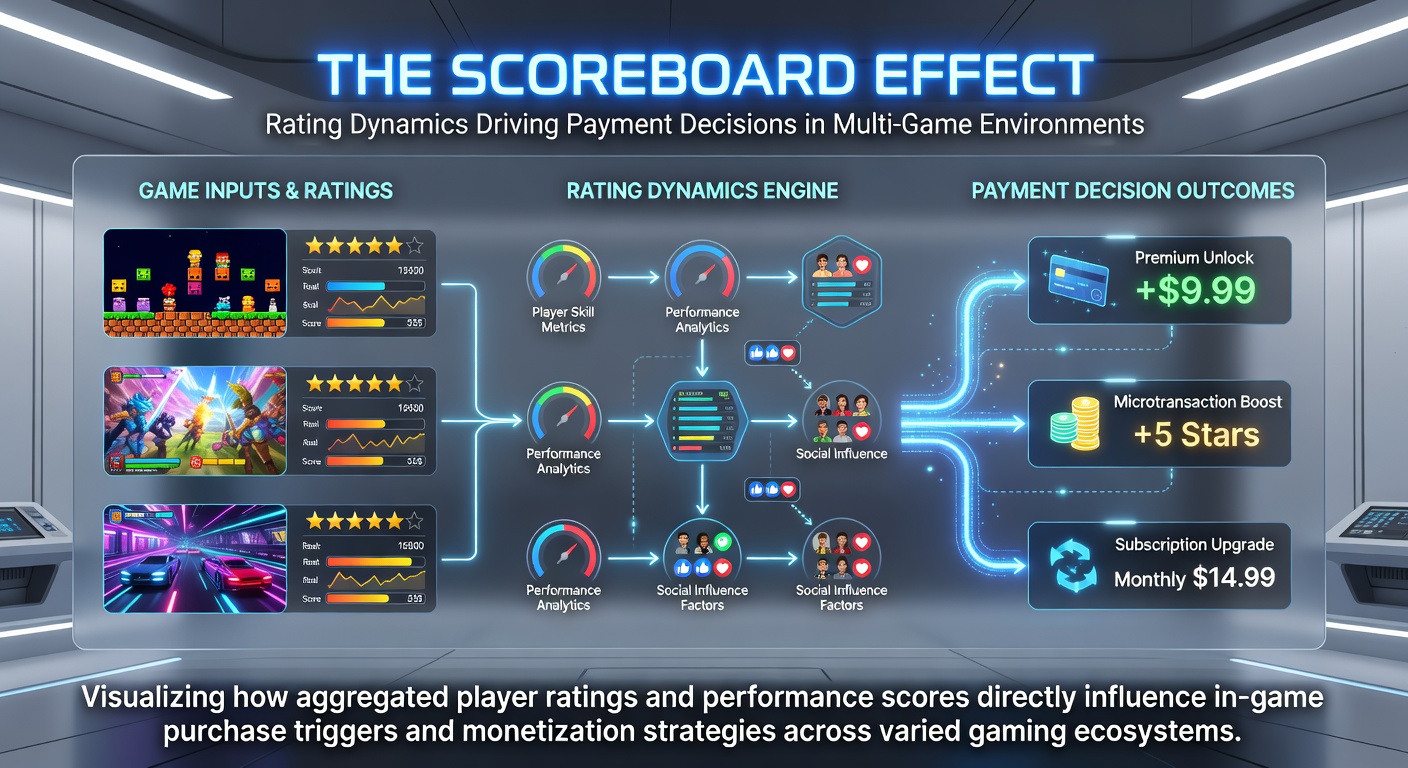
Studies conducted by the University of Nevada Reno Gaming Research Center reveal patterns where ratings attached to cryptocurrency options rise sharply when traditional card processors experience temporary score dips, prompting measurable migration between methods. The same research notes that bingo-heavy users tend to favor processors with established high scores for small repeated deposits, whereas sports bettors place greater weight on withdrawal ratings when larger sums are involved.
Regional Variations in Rating Influence
Regulatory frameworks in different jurisdictions shape how prominently ratings appear and how much weight they carry. Australian oversight bodies require clear disclosure of transaction performance metrics that feed into public scores, while certain Canadian provincial frameworks allow platforms more latitude in displaying aggregated feedback. Data released through May 2026 from cross-border analyses show that jurisdictions with mandatory metric publication experience steadier alignment between published ratings and actual user selection behavior.
Industry associations such as the European Gaming and Betting Association have compiled comparative reports indicating that platforms operating under multiple regulatory regimes often standardize rating displays to maintain consistency for users who access accounts from different locations. This standardization reduces confusion when players encounter the same payment options under varying score presentations.
Feedback Loops and Score Adjustments
Each completed transaction generates new rating input that recalibrates the displayed score, creating continuous feedback loops between user experience and visibility. Processors that achieve consistent high marks across speed and cost categories attract disproportionate volume, which in turn supplies more data points to reinforce or challenge those marks. Observers tracking these cycles note that sudden spikes in negative feedback, often tied to network outages or policy changes, can trigger rapid repositioning of options within site interfaces.
Platforms have introduced verification steps for submitted ratings to limit manipulation, requiring account holders to complete a minimum number of transactions before their input registers in aggregate scores. This approach, implemented across several major operators by early 2026, has produced more stable rating environments according to internal platform analytics shared with trade groups.
Conclusion
Rating dynamics continue to shape payment pathways inside environments where multiple game types coexist, with numerical scores functioning as decision shortcuts for users navigating deposits and withdrawals. Evidence from academic centers and industry associations demonstrates consistent correlations between displayed ratings and selection patterns, while regional regulatory differences influence how those ratings form and appear. As platforms refine display mechanisms and processors respond to score movements, the relationship between visible feedback and payment choices remains a defining feature of multi-game operations.