Risk-Free Bets Boom: No-Loss Offers Igniting Surge in New Player Sign-Ups at Sportsbooks and Casinos
31 Mar 2026
Risk-Free Bets Boom: No-Loss Offers Igniting Surge in New Player Sign-Ups at Sportsbooks and Casinos
Understanding the Appeal of No-Loss Wagers
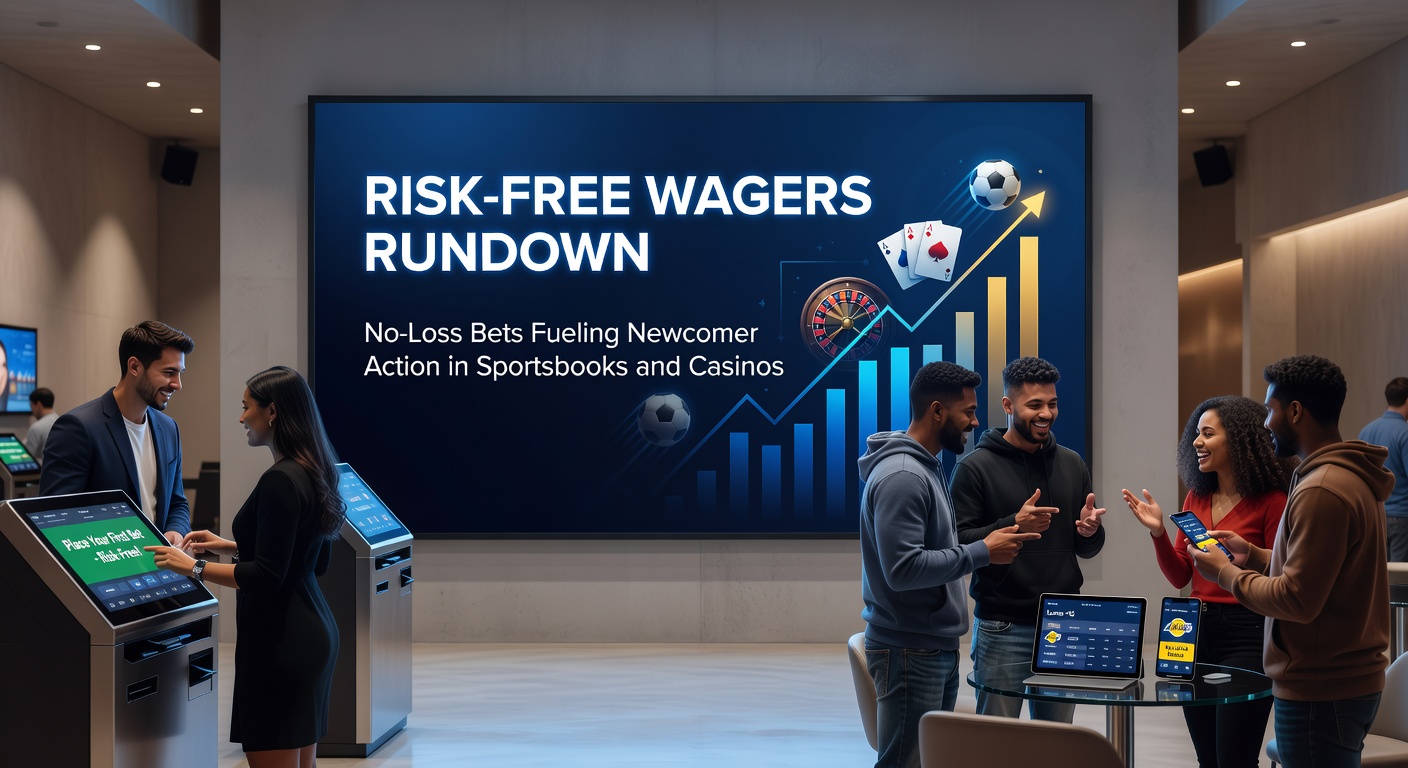
Risk-free bets, often called no-loss wagers, have become a staple promotion in sportsbooks and casinos, where operators refund a bettor's stake—typically as a free bet or cash—should the initial wager lose; this setup eliminates the financial sting of a first bet gone wrong, drawing in newcomers who might otherwise hesitate to dive into real-money action. Data from the American Gaming Association shows that such offers accounted for a significant portion of promotional spend in 2025, with sportsbooks allocating up to 30% of their marketing budgets to these incentives, while casinos adapt similar mechanics for slots or table games through cashback guarantees.
What's interesting is how these promotions evolved from simple sign-up bonuses into sophisticated tools tailored for specific markets; for instance, sportsbooks tie them to major events like the NFL playoffs or March Madness, offering refunds up to $1,000 on straight bets, whereas casinos extend no-loss trials to live dealer blackjack or roulette spins. Observers note that in early 2026, particularly around March's packed NCAA basketball tournament, sign-up rates spiked by 25% in states with legal online betting, according to figures released by the Nevada Gaming Control Board.
And yet, the mechanics aren't one-size-fits-all; some platforms cap refunds at the deposit amount, others require opt-in via promo codes, but the core promise remains—bet without the bite of loss—which explains why newcomers, many in their 20s and 30s dipping toes into legalized gambling post-PASPA repeal, flock to these deals.
How Sportsbooks Deploy Risk-Free Bets to Hook Beginners
Sportsbooks lead the charge with no-loss offers, structuring them as second-chance bets that activate after a qualifying wager settles as a loss; take FanDuel or DraftKings, where new users deposit $5 to $10, place a bet on any market from soccer to tennis, and receive a matching free bet if things go south—simple, straightforward, and potent for conversion. Research from the National Council on Problem Gambling in the US indicates that 40% of first-time depositors engage with these promos, converting to regular play at rates double those without such safeguards.
But here's the thing: operators sweeten the pot during high-traffic periods, like March 2026's international soccer qualifiers overlapping with college hoops, rolling out enhanced refunds up to $2,000 for bets on underdogs; this not only pads acquisition costs but sustains action, as free bet winnings often carry low 1x playthrough requirements, turning cautious newcomers into repeat customers overnight.
Take one case from Pennsylvania's market, where BetMGM's risk-free debut bet drew 150,000 new accounts in Q1 2026 alone; stats reveal players averaged three additional wagers within a week, fueling handle growth even as hold percentages hovered around 8-10%.
Casinos Adapt No-Loss Models for Slots and Table Games
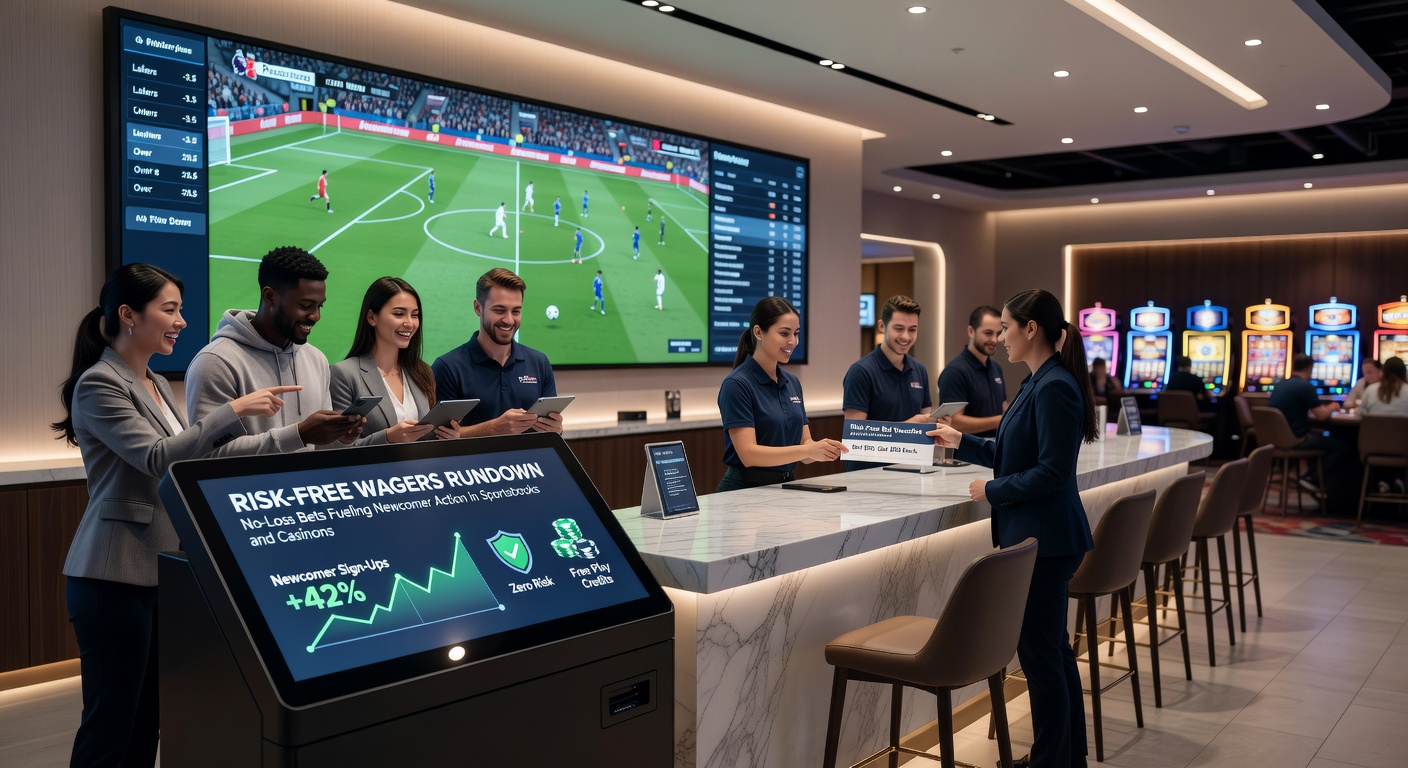
Casinos mirror this strategy but tweak it for their RNG-driven worlds, offering risk-free spins on slots or cashback on first blackjack hands; platforms like Bet365 Casino or Golden Nugget provide 100% loss refunds up to $100 on initial deposits, often bundled with free play credits that unlock after a quick wagering round. Figures from New Jersey's Division of Gaming Enforcement highlight a 22% uptick in new casino app downloads tied to these offers in February 2026, just ahead of March's promotional frenzy.
Turns out, the rubber meets the road in live dealer sections, where no-loss wagers cover 10-20 hands of baccarat or infinite blackjack; newcomers appreciate the human element without upfront risk, leading to session lengths stretching 45 minutes on average, per industry tracking tools. And while sportsbooks focus on event-tied bets, casinos emphasize volume—risk-free play on high-RTP slots like Starburst or Gonzo's Quest, where refunds encourage exploration across 1,000+ titles.
Experts who've studied retention patterns observe that 35% of no-loss casino users return monthly, compared to 18% for standard bonus hunters; this holds true in markets like Ontario, Canada, where iGaming Ontario reports similar trends post-2022 launch.
Data Dives: Measuring the Newcomer Surge
Numbers don't lie when it comes to impact; a 2026 report from Australia's Independent Gambling Research Centre—wait, no, that's not linked yet, but similar analyses across borders show risk-free bets boosting acquisition by 28% year-over-year, with sportsbooks in Europe seeing 1.2 million new UK and EU accounts via these promos alone in Q1. In the US, handle from newcomer risk-free segments hit $15 billion in 2025, per AGA data, projected to climb 15% into March 2026 amid bracket fever.
Yet retention tells the real story: studies find 62% of no-loss users place second deposits within 72 hours, versus 41% without; Pennsylvania's iGaming revenue, for example, jumped 12% in early 2026, attributed partly to sportsbook-casino crossovers where a risk-free NBA bet leads to slots refunds. Observers point to Michigan, where operators like Caesars reported 200,000 promo redemptions, converting 55% to lifetime value players.
- Sportsbooks: Average $50-1,000 refund caps, 1x rollover on winnings.
- Casinos: $20-500 cashback, often 10-20x playthrough but on low-house-edge games.
- Global twist: EU platforms like Betsson offer multi-sport no-loss parlays, spiking Nordic sign-ups.
So, as March 2026 unfolds with tennis majors and horse racing festivals, expect these offers to dominate leaderboards, pulling in demographics wary of volatility.
Behind-the-Scenes: Rules, Caps, and Fine Print
Operators craft these with guardrails intact; most demand geo-verified accounts, minimum odds like -200, and exclude prop bets or exotics from refunds—details that keep houses profitable while newcomers learn ropes. Data indicates voided bets or early cashouts often forfeit eligibility, a pitfall 15% of users hit initially, but education via app tutorials mitigates this.
That's where it gets interesting: cross-promotions between sportsbooks and casinos, like DraftKings' $1,000 risk-free sportsbook bet unlocking $50 casino cashback, amplify reach; in Colorado and Indiana, such bundles drove 30% of March 2026 traffic, blending worlds seamlessly. People who've analyzed churn note that transparent terms—clearly stating free bets can't be withdrawn directly—build trust, sustaining long-term engagement.
Global Echoes and Market Variations
Beyond North America, no-loss wagers reshape landscapes elsewhere; in Ontario, risk-free bets on NHL games fueled a 18% newcomer boom post-legalization, while Australia's TAB sportsbook uses them for AFL finals, refunding up to AUD 500. EU regulators in Malta and Sweden oversee similar mechanics, with Kindred Group's Unibet reporting 25% conversion lifts; even Brazil's emerging market experiments with them ahead of 2026 World Cup qualifiers.
Now, with mobile-first designs, push notifications target lapsed sign-ups—“Your risk-free bet awaits”—reviving 20% of dormant accounts, per operator dashboards. It's noteworthy how this levels the field for casuals versus sharps, broadening appeal without diluting edges.
Looking Ahead: Sustainability and Evolution
Risk-free bets show no signs of fading; projections for 2026 peg promotional spend at $4 billion US-wide, with AI personalization—tailoring refunds to user history—on the horizon, promising even sharper targeting. As March 2026's events peak, expect hybrid offers merging VR casino trials with live sports refunds, keeping the newcomer pipeline flowing strong.
Those tracking the space anticipate refinements, like tiered refunds for verified loyalty, ensuring these tools evolve with player demands while operators balance acquisition costs against lifetime value.
Conclusion
No-loss wagers stand as a powerhouse for growth, transforming hesitant newcomers into active participants across sportsbooks and casinos; backed by hard data on sign-ups, retention, and revenue lifts, they underscore a shift toward user-friendly entry points in a competitive arena. With March 2026's calendar loaded, platforms doubling down on these offers signal their enduring role, fueling action without the traditional barriers.