Premier League Sponsor Scramble: Nine Clubs Face Uncertain Start to 2026-27 Season Amid Gambling Ban Fallout
6 Apr 2026
Premier League Sponsor Scramble: Nine Clubs Face Uncertain Start to 2026-27 Season Amid Gambling Ban Fallout
The Brewing Crisis as April 2026 Unfolds
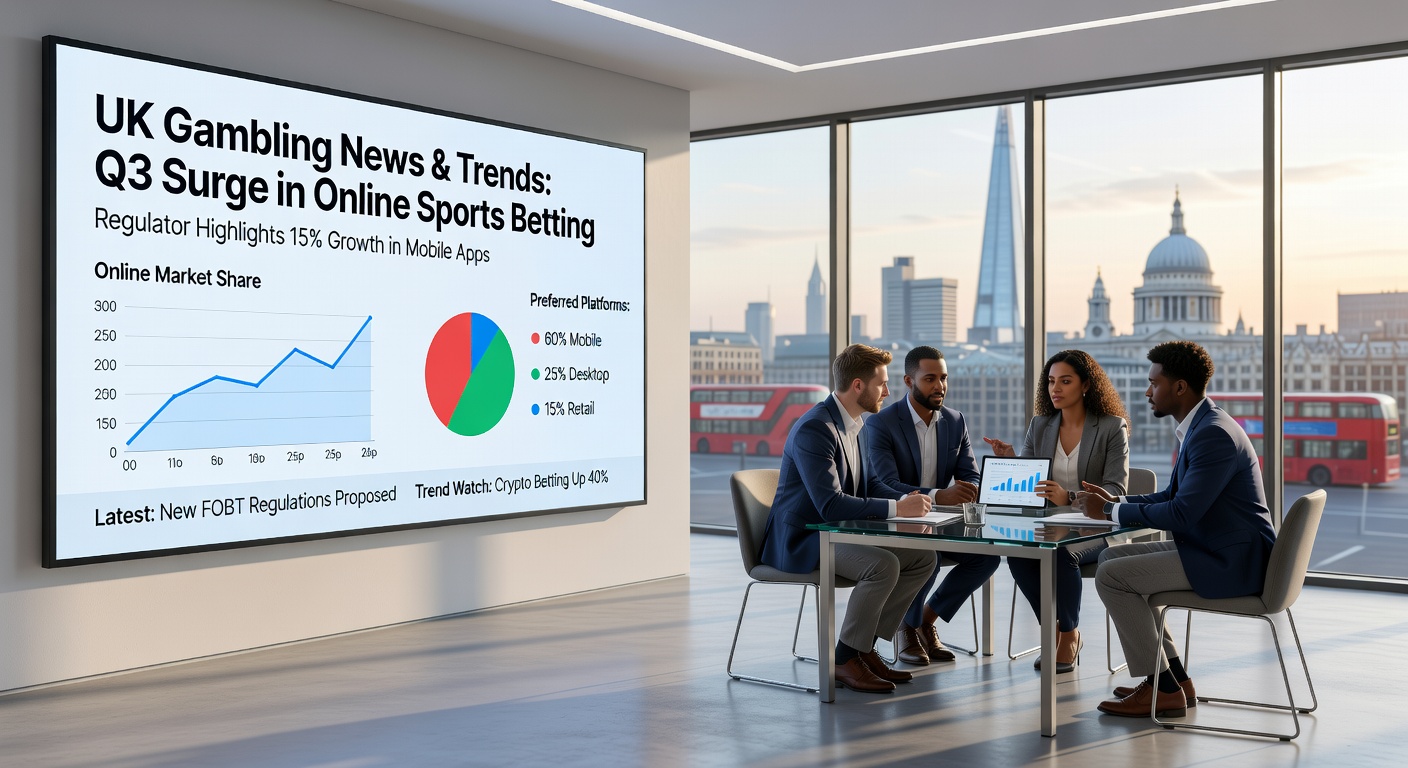
As of early April 2026, nine Premier League clubs still scramble for front-of-shirt sponsors ahead of the 2026-27 season, a direct fallout from the league's ban on gambling companies adorning shirts; this voluntary measure, agreed upon three years prior following government consultations, now delays no further, pushing clubs into uncharted financial territory where some might even kick off without deals locked in. Reports from The Guardian highlight how this shift, originally set to phase in gradually, has intensified competition for non-gambling alternatives, leaving collective revenues potentially short by up to £80 million. And while the 'big six' clubs—those perennial powerhouses like Manchester City and Liverpool—navigate smoother waters with deeper pockets and global appeal, mid-table and lower-tier teams feel the pinch hardest, their sponsorship values reportedly dropping around 50% in the scramble for deals from tech firms, health brands, or airlines.
What's interesting here surfaces in the timeline: clubs face a ticking clock with pre-season looming, yet negotiations drag on amid a flooded market of 20 teams chasing the same pool of sponsors wary of football's volatile fanbase. Observers note that previous gambling giants, once shelling out tens of millions annually, have pivoted elsewhere or vanished entirely from shirt fronts, forcing creative pivots like sleeve or training kit tie-ups that pale in comparison revenue-wise.
Roots of the Ban and Its Phased Rollout
The Premier League's decision traces back to 2023, when clubs collectively pledged to end front-of-shirt gambling sponsorships by the 2026-27 season, a move born from UK government consultations aimed at curbing problem gambling links to elite sport; although delayed once to allow breathing room, the ban now stands firm, with no extensions in sight. Data indicates this self-imposed rule affects a league where gambling firms sponsored 11 shirt fronts last season, a number that's dwindled as contracts expire without renewals. Experts who've tracked sponsorship trends, including those from Deloitte's Football Money League reports, point out how such deals once contributed up to 10% of commercial income for affected clubs, a slice now up for grabs in a landscape dominated by fewer willing partners.
But here's the thing: while the ban targets shirts specifically—leaving sleeves open for betting ads until at least 2029—it reshapes the entire commercial ecosystem, as non-gambling brands demand steeper visibility or performance clauses to justify lower payouts. Take the mid-tier clubs, where average deals hovered at £10-15 million pre-ban; now, figures reveal slashes to half that, compelling teams to bundle shirt rights with digital or stadium naming perks just to close gaps.
Which Clubs Feel the Heat?
Chelsea and Newcastle United top the list of high-profile casualties, their lucrative gambling-linked pacts—like Chelsea's with online operators—expiring without seamless replacements; both boast Asian market ambitions, yet face stiff rivalry from bigger draws in securing brands like tech startups or wellness firms. Other unnamed clubs, likely from the mid-to-lower echelons, mirror this plight, with reports suggesting Wolves, Fulham, and Crystal Palace among those circling deals but far from signatures. And then there's Brentford, which landed Indeed—a job search giant—for £4-5 million annually, a respectable but noticeably leaner figure than gambling hauls of old.
Bournemouth's tie-up with Vitality, a health insurance provider, exemplifies the pivot; this non-gambling deal, while innovative, underscores the value dip, as Vitality steps into space once filled by higher-bidding bookies. People who've followed these negotiations observe how Asian markets, rich with potential sponsors from e-commerce and fintech, become battlegrounds, since Premier League broadcasts reach billions there, yet competition from European giants like Bayern Munich or PSG fragments focus. That's where the rubber meets the road for clubs like Newcastle, whose Saudi-backed ambitions clash with sponsor hesitancy over ethical optics post-ban.
Financial Ripples and Revenue Projections
Collective losses could hit £80 million, per Guardian analysis, a figure derived from averaging past gambling deals against current non-gambling benchmarks; for context, the league's total commercial revenue topped £2 billion last term, making this shortfall notable, especially for profit-and-sustainability rule watchers. Mid-table clubs, outside the 'big six', bear the brunt, with sponsorship values halving as brands leverage the ban for bargaining power—think demanding social media shoutouts or fan engagement metrics alongside shirt space. Studies from sponsorship trackers reveal that non-gambling firms, often from unrelated sectors like recruitment (Indeed) or insurance (Vitality), prioritize ROI through targeted demographics rather than broad exposure, leading to conservative bids.
Yet now, as April drags on, some clubs eye interim solutions like short-term patches or blank shirts for early friendlies, a risky play that could dent preseason morale; longer term, observers predict a shake-up where sleeve gambling ads—still permitted—might inflate to offset losses, although regulators eye those too. One case worth noting involves Everton, rumored to be in talks with aviation firms, blending shirt rights with travel partnerships to sweeten pots; such bundling, while common, stretches club resources thin during transfer windows.
Navigating the New Sponsor Landscape
Tougher competition defines the hunt, with all 20 clubs pitching to a narrowed field; Asian markets emerge as key, since time zones align poorly for European brands but perfectly for Alibaba-like giants seeking football's halo effect. Brentford's Indeed deal, inked earlier, sets a template—£4-5 million for a data-driven partnership emphasizing recruitment tech—yet even that trails pre-ban norms by miles. Bournemouth's Vitality pact, focusing on wellness tie-ins with fan health programs, shows creativity, but data suggests such alignments demand heavy marketing lifts from clubs already cash-strapped.
And so clubs adapt: digital extensions become non-negotiables, with sponsors insisting on app integrations or NFT drops (think Manchester United's crypto experiments, albeit not shirt-front); for the nine holdouts, the writing's on the wall—sign fast or start season sponsorless, a PR nightmare in an era of financial fair play scrutiny. Those who've studied league economics note how this ban, while ethically driven, accelerates diversification, pushing teams toward airlines (like Manchester City's Etihad) or banks, sectors less volatile than betting but stingier on sums.
It's noteworthy that government consultations, echoed in broader EU efforts like those monitored by teh European Gaming and Betting Association, influenced this shift, aligning Premier League policy with continental trends where shirt gambling ads already face curbs in nations like Italy and Spain.
Conclusion
In April 2026, the Premier League's gambling ban crystallizes into real pressure for nine clubs, their sponsor voids threatening £80 million in lost revenue and spotlighting a commercial pivot long in coming; while examples like Brentford's Indeed and Bournemouth's Vitality deals offer blueprints, the road ahead demands agility, with Asian markets and bundled rights as lifelines. As pre-season nears, these teams race not just for cash but relevance in a post-gambling shirt era, where adaptation spells survival; data underscores the stakes, yet history shows football's commercial engine resilient, poised to revamp once dust settles. The ball's now firmly in these clubs' courts—secure deals swiftly, or face a blank-slate start that echoes louder than any logo.