8 Jun 2026
Payment Pathways Driving Customized Incentives in Online Poker and Bingo Platforms
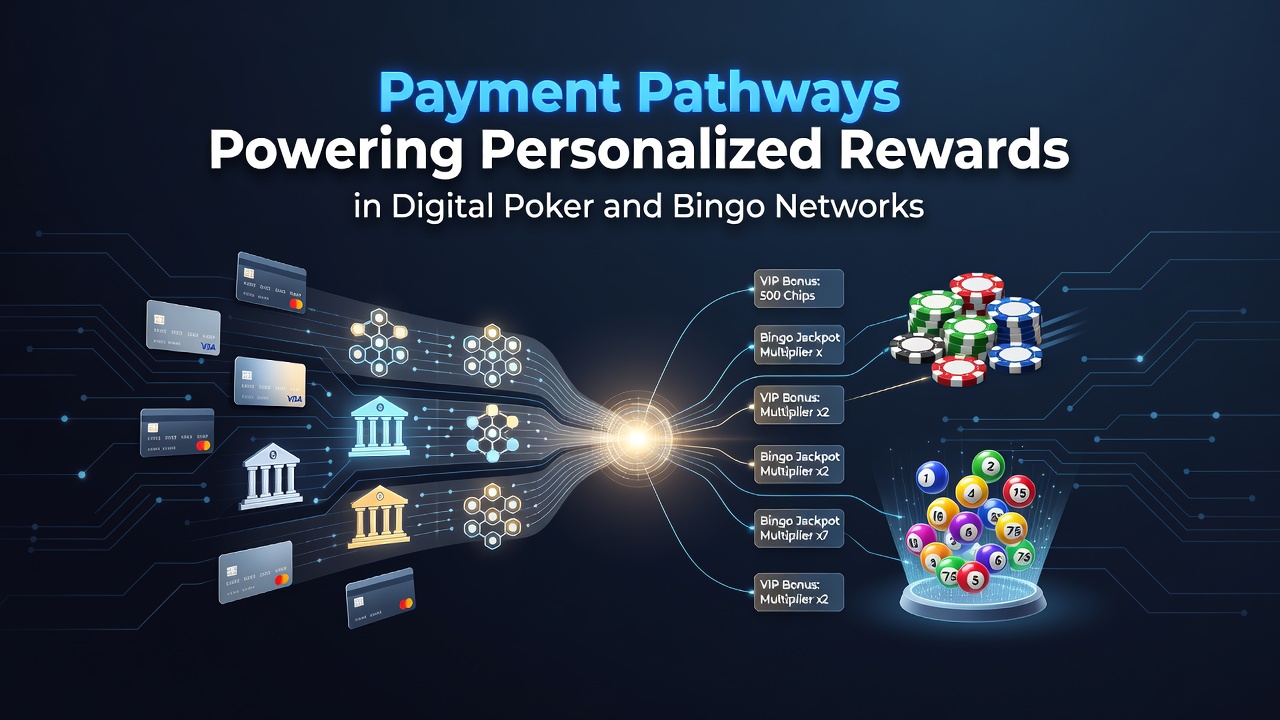
Payment pathways have become central to how digital poker and bingo networks deliver tailored rewards to participants, with transaction systems now integrated directly into loyalty engines and bonus structures. These connections allow platforms to process deposits and withdrawals while simultaneously tracking player behavior to adjust incentives in real time. Data from transaction logs feeds into algorithms that determine reward eligibility, such as cashback percentages or tournament entries, based on deposit frequency, volume, and preferred game types.
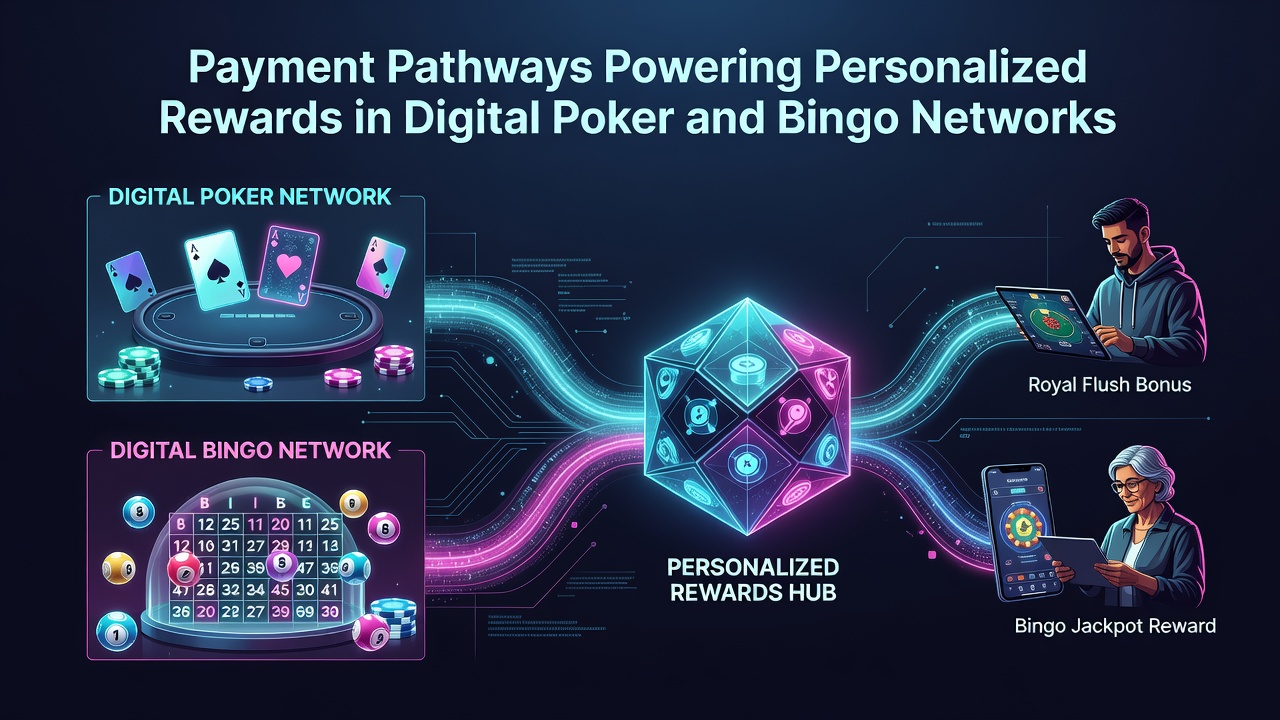
Operators use API connections between payment processors and player management systems to automate these adjustments. When a user completes a deposit through an approved method, the system records the amount and timing, then matches it against predefined reward tiers. This setup reduces manual intervention and supports scalability across large user bases. In poker networks, for instance, rake contributions from cash games trigger milestone rewards, while bingo platforms link ticket purchases to progressive jackpot entries.
Integration of Transaction Data with Reward Algorithms
Transaction data serves as the primary input for personalization engines in these networks. Payment gateways transmit details including method type, currency, and processing speed to central databases. Analysts then map this information to behavioral patterns, enabling platforms to offer targeted promotions such as deposit-matched bonuses scaled to recent activity levels. Researchers at institutions like the University of Nevada, Las Vegas have documented how such data flows improve retention metrics in simulated iGaming environments.
Networks that prioritize faster settlement options often see higher engagement with reward features. Prepaid and e-wallet transactions, which clear within seconds, allow immediate crediting of loyalty points. This timing advantage supports dynamic offers that expire quickly, encouraging continued play within the same session. Bingo operators have adopted similar structures, where instant deposits unlock additional card bundles or multiplier rounds tied to the payment amount.
Role of Specific Payment Methods in Reward Delivery
Different payment methods influence how rewards are structured and delivered. E-wallets facilitate split deposits across multiple game categories, allowing players to allocate funds toward poker tournaments while earning bingo-specific incentives on the same account. Crypto options provide pseudonymity that some networks combine with anonymous reward tiers, though these require additional compliance checks before points convert to cash equivalents.
Traditional bank transfers, though slower, support larger reward thresholds because they handle high-value transactions with lower fee structures. Platforms adjust their incentive models accordingly, reserving premium loyalty benefits for users who route funds through these channels. As of June 2026, several major networks reported increased adoption of hybrid payment setups that combine instant and batch processing to balance speed with reward customization.
Regulatory and Technical Standards Supporting These Systems
Compliance frameworks from bodies such as the New Jersey Division of Gaming Enforcement require clear separation between payment processing and reward allocation to prevent conflicts of interest. These rules mandate audit trails that link each transaction to specific reward outcomes. Technical standards developed by industry groups ensure that APIs maintain data integrity during high-volume periods common in poker cash games and bingo sessions.
Security protocols including tokenization protect payment details while allowing reward engines to access aggregated spending data. This balance enables personalization without exposing sensitive financial information. Networks that meet these standards often expand their geographic reach, incorporating payment rails accepted in multiple jurisdictions.
Case Examples from Network Operations
One poker platform integrated its payment processor with a tiered loyalty program that recalculates player status after every deposit. Participants reaching higher tiers receive entry into exclusive sit-and-go events funded by a percentage of network rake. Bingo sites have mirrored this approach by tying deposit streaks to community jackpot contributions, where payment volume directly influences prize pool growth.
Observers note that networks using multi-channel payment verification see fewer disputes over reward eligibility. Automated reconciliation processes cross-check transaction records against reward claims, resolving discrepancies within hours rather than days. These efficiencies contribute to smoother operations during peak traffic periods.
Conclusion
Payment pathways continue to shape reward personalization in digital poker and bingo environments through direct data integration and automated processing. The connections between transaction systems and incentive engines support precise, behavior-based offers that align with player activity patterns. As networks refine these linkages, the focus remains on maintaining compliance while expanding the range of payment options that trigger customized benefits.