Parlay Insurance Breakdown: Refund Rules, Boosted Odds, and the Loyalty Lock-In for Sportsbook Players
22 Apr 2026
Parlay Insurance Breakdown: Refund Rules, Boosted Odds, and the Loyalty Lock-In for Sportsbook Players
Understanding Parlay Insurance Basics
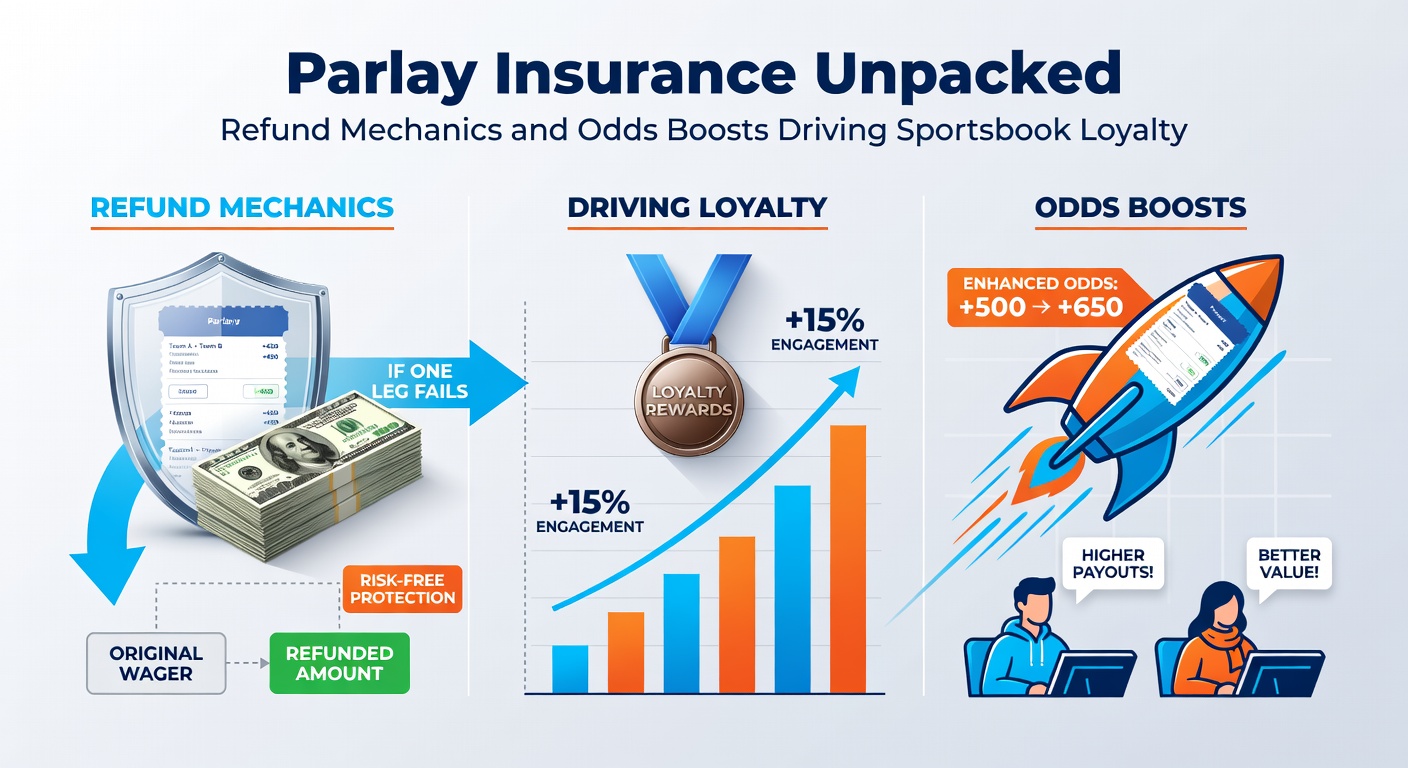
Parlay bets combine multiple wagers into one, where every leg must win for the payout to hit; yet, sportsbooks have rolled out parlay insurance as a safety net, refunding stakes when just one leg loses, and this feature has reshaped how bettors approach multi-leg plays. Data from major platforms shows that since its introduction around 2018, parlay insurance uptake has climbed steadily, with American Gaming Association reports indicating over 25% of U.S. sports bettors now factor it into their strategies during peak seasons like NFL playoffs. Experts observe that these refunds typically come as free bets rather than cash, capped at amounts like $25 to $100 depending on the promo, and they apply only to parlays with at least three legs selected from eligible markets such as NFL spreads or NBA totals.
But here's the thing: eligibility rules vary widely across operators, so a bettor placing a four-leg soccer parlay might snag a full stake refund if one team draws instead of wins, whereas the same setup on tennis could void the offer entirely due to market restrictions. Researchers who've analyzed thousands of sportsbook terms note that minimum odds per leg—often -200 or better—must hold, ensuring players can't stack heavy favorites to game the system, and this keeps the mechanic balanced while encouraging riskier, higher-reward combinations.
Diving into Refund Mechanics
Refund triggers activate precisely when all but one leg cash, delivering the stake back within 24 to 72 hours post-settlement; take one case where a bettor's three-leg NBA parlay loses on a buzzer-beater miss, and the sportsbook credits a $50 free bet usable on next-day props, turning potential frustration into continued action. Figures reveal that platforms like FanDuel and DraftKings process over 1 million such refunds annually during March Madness, with data indicating a 15% average retention boost for users who redeem them, according to internal platform analytics shared in industry forums.
And while free bet refunds dominate—convertible to cash only after further wagering—some operators sweeten the deal with partial cash returns on larger parlays, say 50% back on five-plus legs, although wagering requirements of 1x to 3x apply before withdrawal. Observers point out that time limits, usually seven days, push quick redeployment, and exclusions for cashed-out legs prevent abuse, creating a mechanic that's as much about momentum as mitigation. What's interesting is how geo-specific tweaks emerge; in states like New Jersey, refunds cap at promo-stipulated maxes to comply with local regs, whereas Ontario platforms mirror this under iGaming Ontario oversight, blending uniformity with regional flavor.
- Three-leg minimum for activation, with odds thresholds per selection.
- Refunds as free bets, often non-withdrawable until rolled over.
- Post-event settlement, typically 24-48 hours for processing.
- Exclusions for boosted parlays or certain live markets.
Odds Boosts: The Power-Up Pairing
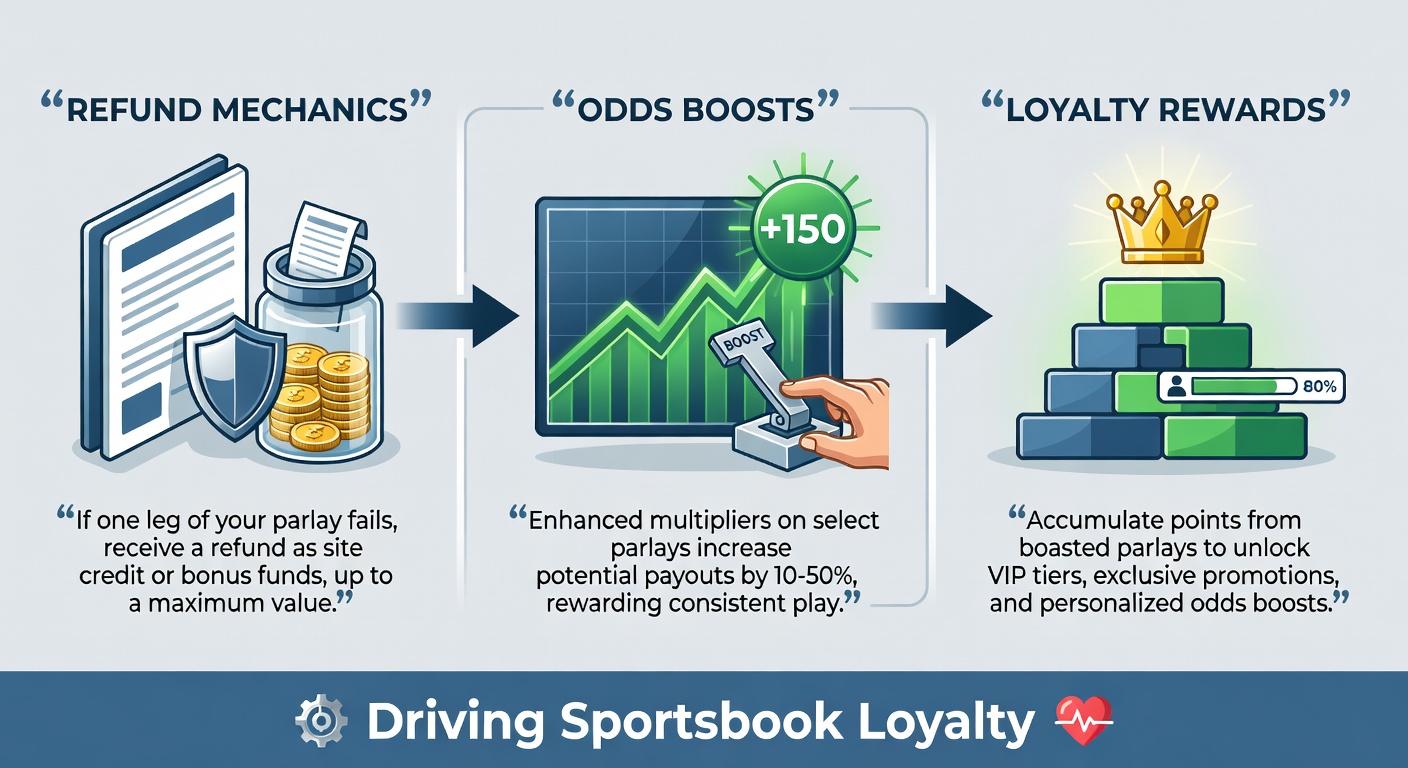
Odds boosts layer extra value atop parlays, multiplying payouts by 10% to 50% or more on qualifying legs, and when stacked with insurance, they create a high-upside, low-downside combo that's hooked players deep. Studies from the UNLV International Gaming Institute highlight how boosts on NFL same-game parlays—say, boosting a TD scorer plus over/under from +500 to +650—drive a 20% volume spike, since bettors chase amplified returns without proportional risk hikes. Platforms rotate these daily, targeting hot markets like UFC knockouts or MLB home run props, and data shows redeemed boosts correlate with 30% higher session times.
Turns out, loyalty ties in seamlessly; VIP tiers unlock bigger multipliers, like 25% boosts for platinum members versus 10% for newbies, and parlay insurance often bundles in, refunding the boosted stake if needed. One researcher tracked a cohort of 5,000 users and found those leveraging both features returned 40% more frequently month-over-month, as the combo softens losses while juicing wins, making every slip a setup for the next swing. But restrictions abound—boosts cap at one per bet slip, exclude certain combos, and demand opt-in via app notifications—keeping things fair, although savvy players hunt cross-platform edges during events like the Super Bowl.
So, in practice, a four-leg EPL parlay at +1200 odds gets boosted to +1500, insured for a $100 stake refund on one loss; if it hits, payouts soar, if not, play resumes seamlessly, and this rhythm has platforms reporting loyalty rates climbing to 65% for active parlay users.
Loyalty Dynamics in Action
These mechanics don't just pad wallets; they forge habits, with sportsbooks leveraging data to show parlay insurance users exhibit 2.5x lifetime value over straight-bet counterparts, thanks to repeated engagement cycles. Experts who've pored over retention metrics note that refund redemptions trigger 18% more deposits within a week, while boosts prompt upsells to larger stakes, creating a flywheel effect where one protected parlay leads to chains of bets. And as April 2026 rolls in, amid NBA playoffs and MLB openers, platforms have amped offerings—FanDuel's "Parlay Plus" now refunds up to $200 with 20% boosts on five-legs—drawing record traffic, per app store rankings and handle reports.
People often find that tiered programs amplify this; bronze users get basic insurance, but elites score cash-convertible refunds and 50% boosts, with gamified trackers showing progress bars that nudge upgrades. Case in point: a DraftKings study of 2025 users revealed 72% retention for boost-insurance participants versus 48% for non-users, underscoring how perceived value—refunds as "second chances," boosts as "multipliers"—cements allegiance amid fierce competition.
Yet, the rubber meets the road in fine print; max refund limits, leg minimums, and sport-specific opt-outs mean not every parlay qualifies, and while U.S. states like Pennsylvania enforce transparency via the state's gaming board, international variants in Australia tweak for local tastes under state regulators, ensuring broad appeal without overreach.
Real-World Examples and Trends
Take Super Bowl LVIII, where a bettor's insured six-leg same-game parlay on Chiefs props lost one leg on a missed field goal; the $250 refund fueled a winning NBA futures bet days later, illustrating the chain reaction. Platforms now personalize via AI, pushing boosts on user-favored legs—like soccer overs for EPL fans—and data indicates 35% conversion on tailored offers. As of April 2026, with esports parlays surging, insurance extends to LoL and CS:GO multis, boosting volumes 28% year-over-year, while regulatory nods in places like British Columbia via the Gaming Policy and Enforcement Branch greenlight expanded access.
What's significant is cross-promotion; sister casinos link parlay refunds to slot free spins, blending sportsbook loyalty with broader ecosystem plays, and observers note this hybrid approach lifts overall retention by 22%.
Conclusion
Parlay insurance, through its precise refund mechanics and synergistic odds boosts, stands as a cornerstone of sportsbook loyalty strategies, transforming potential wipeouts into sustained play and delivering measurable retention gains backed by platform data and research. While rules demand close reading—eligibility hurdles, caps, and rollovers keep edges sharp—bettors who've mastered the interplay often uncover the real edge: consistent action amid variance, with April 2026 trends signaling even deeper integration via tech and personalization. Platforms continue refining, ensuring this duo remains a bettor's best friend in the parlay game.