1 Jul 2026
Mapping the Flow: How Integrated Platforms Route Funds to Unlock Player Rewards Seamlessly
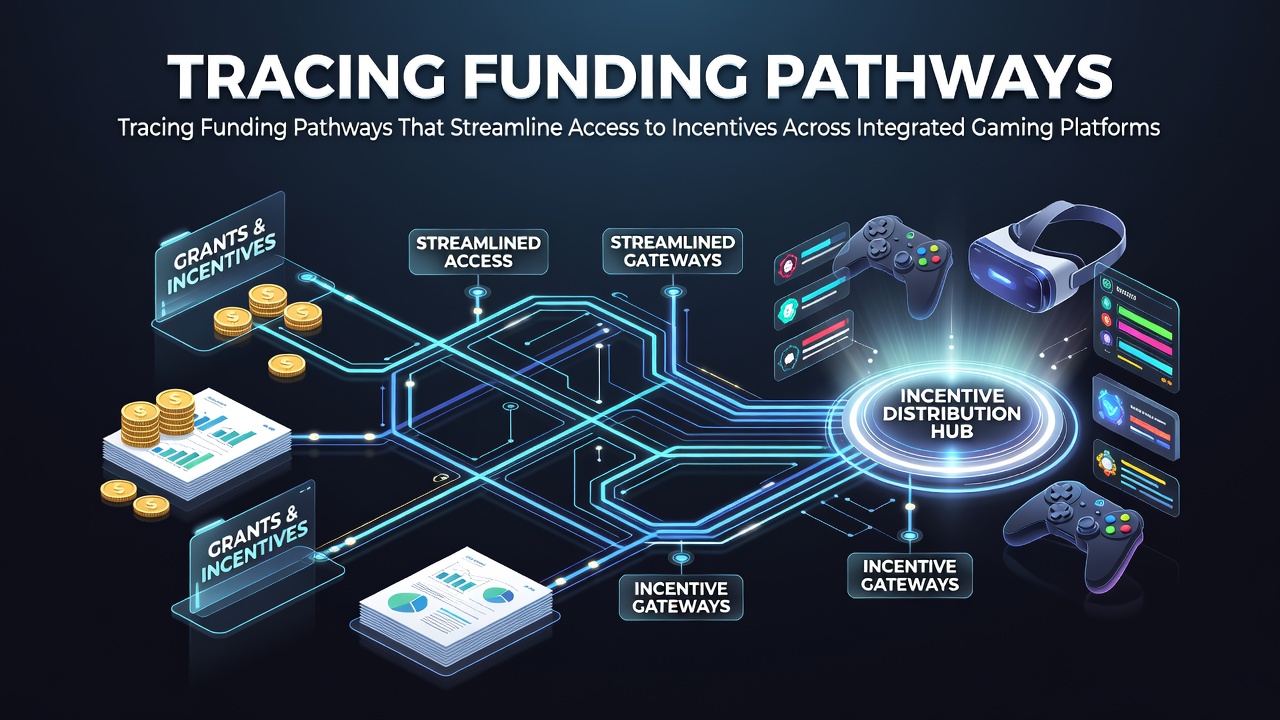
Integrated gaming platforms combine casino games, sportsbooks, poker rooms, and bingo halls under one account structure, which allows users to move between verticals while maintaining a single balance and reward profile. Observers note that these ecosystems rely on coordinated funding pathways that connect deposit sources directly to eligibility checks for bonuses and other incentives. Data from industry reports indicate that seamless routing reduces the steps between a deposit and reward activation, often completing the process in under a minute when verification systems operate in real time.
Core Components of Funding Pathways
Every integrated platform maintains backend connections to banks, e-wallet providers, prepaid card networks, and increasingly blockchain-based systems. These connections function through application programming interfaces that transmit transaction data, player identifiers, and bonus eligibility flags in a single data packet. Researchers have documented how a deposit originating from a traditional bank account travels through an acquiring bank, then reaches the platform's payment gateway, where automated rules evaluate whether the amount qualifies for an instant match bonus or free spin allocation. The same packet simultaneously updates loyalty ledgers across all verticals so that a poker tournament buy-in completed moments later already reflects the new reward tier.
Real-Time Verification and Incentive Triggers
Verification layers sit between the funding source and the incentive engine. When a transaction arrives, the system cross-checks against regulatory databases, velocity rules, and previous bonus claims before releasing funds into the playable balance. Platforms that integrate multiple game types often apply a unified know-your-customer profile, which means one successful verification serves every vertical. Figures from payment processors show that this single-profile approach cuts redundant checks by roughly 40 percent compared with siloed sites. In July 2026 several major operators expanded these unified profiles to include cross-border address validation, allowing users who travel between jurisdictions to retain bonus eligibility without new documentation uploads.
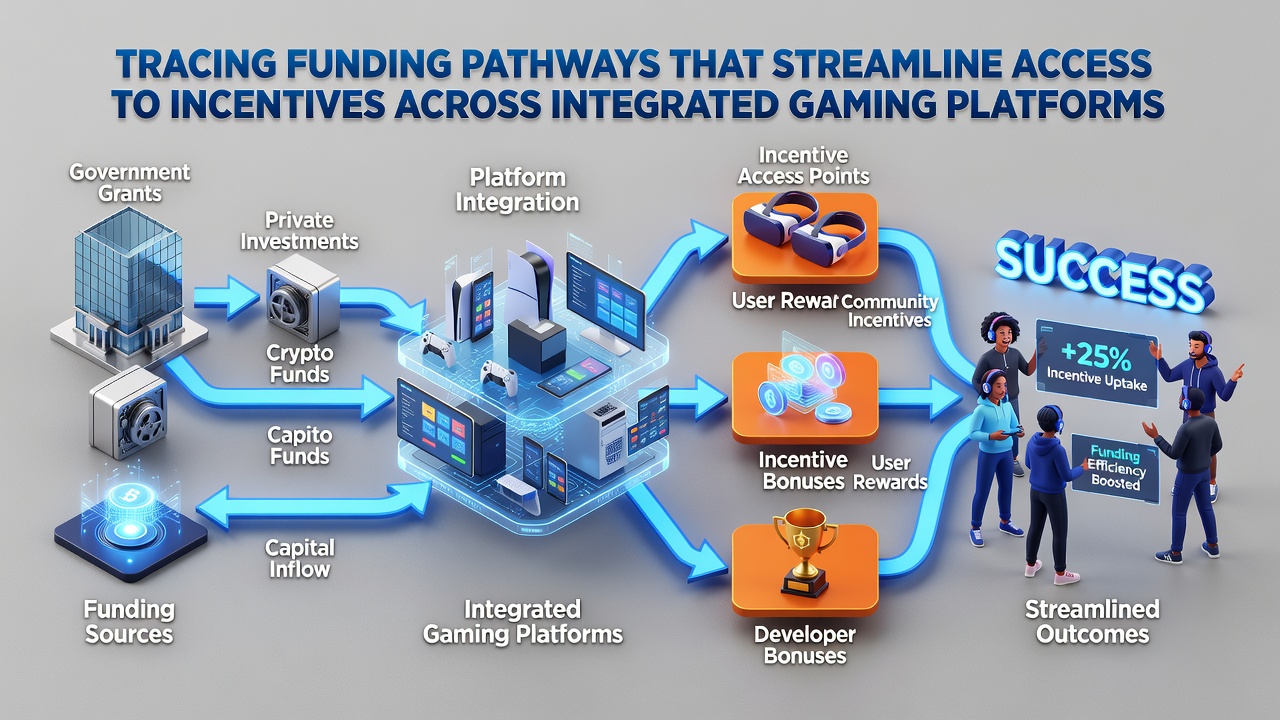
Once verification clears, incentive triggers fire according to preset parameters. A deposit of a defined size automatically generates a cashback percentage that appears in a central rewards wallet, usable in slots, sports markets, poker tables, or bingo rooms. The routing logic also tracks wagering progress across verticals so that a single play-through requirement can be satisfied by activity in any game type rather than forcing users to meet separate targets in each section.
Examples of Streamlined Pathways in Practice
One widely observed pathway begins with an e-wallet transfer that carries metadata tags indicating prior bonus history. The platform reads these tags and applies a reduced play-through multiplier for returning users, a practice documented in technical audits released by European payment associations. Another pathway routes cryptocurrency deposits through an on-chain oracle that confirms transaction finality within seconds, then feeds the confirmation directly into the bonus engine. Academic studies from North American research centers have examined how these oracles reduce settlement times from hours to under thirty seconds while maintaining compliance logs required by provincial regulators.
Prepaid voucher systems follow a different route that still achieves near-instant incentive access. The voucher code enters the platform, the system queries the issuing network for balance confirmation, and the resulting credit appears alongside an attached bonus code that activates without further user action. Observers note that this method proves especially useful for users who prefer to separate gambling spend from primary bank accounts.
Data Sharing Standards Across Regions
Regulatory bodies in multiple jurisdictions have begun publishing technical standards that encourage interoperable funding data formats. A Canadian provincial framework released in early 2026 specifies required fields for transaction records so that platforms operating in both Canadian and Australian markets can reuse the same verification packets. Industry associations in those regions report that standardized fields lower integration costs for operators while preserving audit trails demanded by each authority. Similar work continues within the European Union, where cross-border data sharing protocols aim to let a single deposit event satisfy multiple national responsible gambling checks simultaneously.
Conclusion
Tracing funding pathways in integrated gaming platforms reveals a network of connections that move money and metadata together, enabling incentives to activate across every vertical without repeated user intervention. The architecture relies on real-time APIs, unified verification profiles, and increasingly standardized data formats that regulators in several regions now encourage. As these systems continue to develop, the core mechanism remains consistent: each deposit carries the information needed to determine reward eligibility, update balances, and maintain compliance records across the entire ecosystem.