26 Jun 2026
Mapping Player Transitions Across Digital Tables: Reward Incentives Influencing Shifts in Poker and Bingo Ecosystems
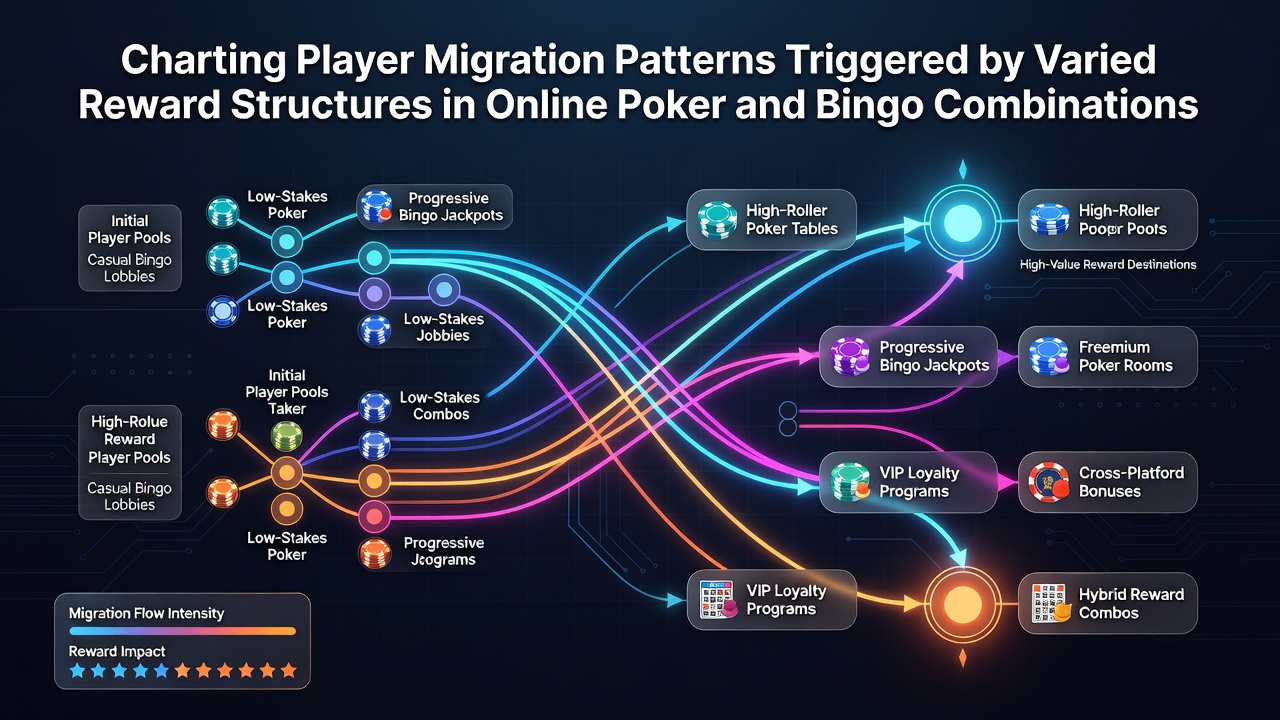
Online poker platforms and bingo sites operate with distinct reward mechanisms that researchers have tracked for years, and these differences continue to shape where players choose to spend their time and money. Cash game rakeback programs in poker rooms often reach 30 to 40 percent at higher stakes while bingo operators counter with progressive jackpots and loyalty multipliers that reset daily, creating measurable movement between the two formats according to industry tracking firms.
Reward Structures That Define Each Format
Poker sites typically structure incentives around volume and skill indicators such as frequent player points, tournament ticket drops, and leaderboard cash prizes that scale with buy-in levels, whereas bingo combinations emphasize shared prize pools, pattern completion bonuses, and streak multipliers that reward consistent session attendance. Data from the American Gaming Association shows these contrasting approaches produce different retention curves, with poker players responding more strongly to rake reductions and bingo participants shifting toward sites that increase jackpot frequency during peak evening hours.
Hybrid operators that host both verticals have documented internal transfers where players move from one product to the other within the same account, often triggered when a poker room lowers its rake cap or a bingo room launches a guaranteed prize pool exceeding historical averages. These patterns emerged clearly in platform analytics released during the first half of 2026, with June figures indicating a 12 percent uptick in cross-product logins on multi-format sites compared with the prior quarter.
Observed Migration Triggers and Timing
Seasonal calendar events tend to accelerate movement, particularly when major poker series coincide with bingo network jackpot builds. Players who exhaust tournament schedules sometimes migrate toward bingo rooms offering deposit-match promotions that extend playtime without additional bankroll commitment, while bingo regulars occasionally test poker cash games after receiving targeted rakeback offers that exceed their current loyalty tier benefits. Observers note these switches occur most frequently among mid-stake participants who maintain accounts on three or more platforms simultaneously.
Regional Data Patterns
European operators reporting through the European Gaming and Betting Association recorded similar cross-format activity during spring 2026, with migration spikes aligning to reward resets rather than regulatory announcements. Australian market reports from the same period highlighted that players aged 25 to 34 showed the highest propensity to alternate between poker and bingo based on bonus structure changes, while older cohorts remained more anchored to single formats.
June 2026 tracking further revealed that sites introducing tiered bingo rewards tied to consecutive daily logins experienced measurable inflow from poker-only accounts, whereas poker rooms that enhanced satellite ticket giveaways drew participants away from bingo halls whose jackpot cycles had entered lower-value periods. These movements appear driven by direct comparison of expected value rather than platform loyalty, according to aggregated session data compiled by multiple analytics providers.
Platform Responses to Shifting Traffic
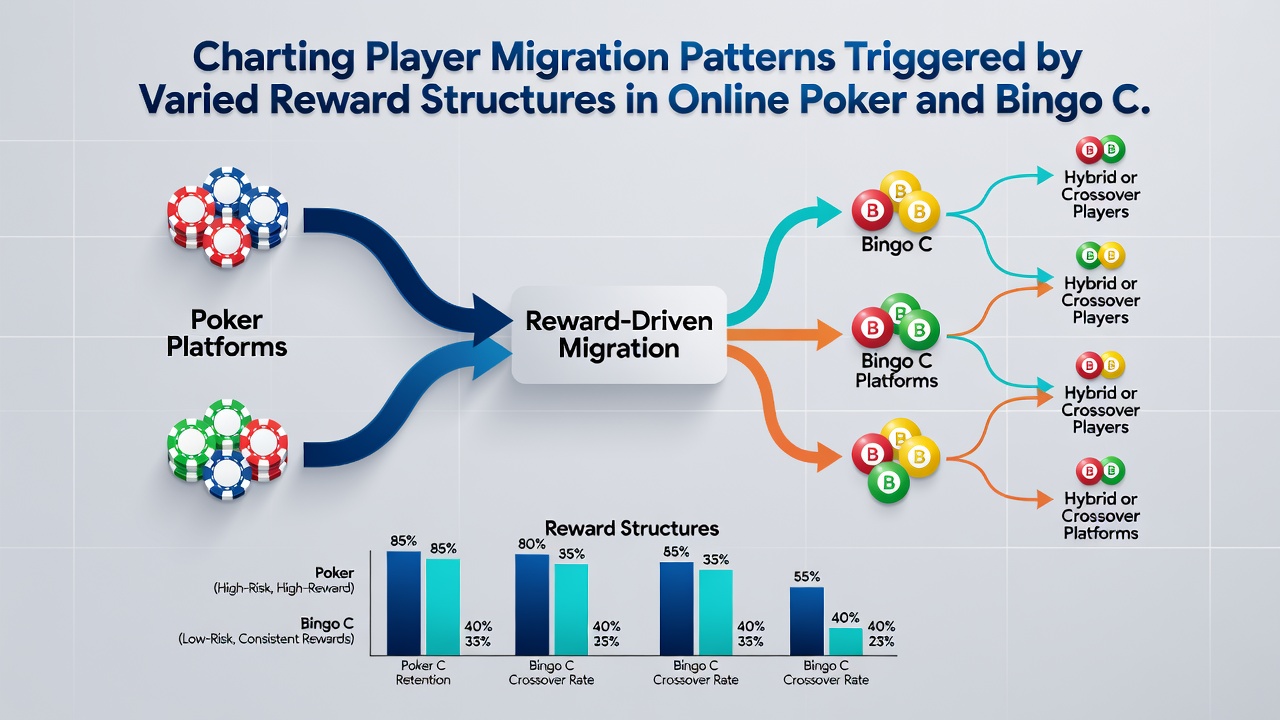
Operators have adjusted their promotional calendars in response to these documented flows. Several multi-product sites now synchronize reward releases so that poker rakeback payouts land on the same schedule as bingo jackpot draws, reducing the incentive for players to leave one vertical for the other. Others have introduced hybrid loyalty schemes that award points usable across both poker tables and bingo rooms, a tactic that internal metrics suggest stabilizes account activity over longer periods.
Independent research groups examining transaction logs found that players receiving combined reward notifications showed lower rates of external platform switching than those exposed to single-format promotions. This holds particularly true for accounts that already maintain balances in both poker and bingo wallets, where unified bonus structures appear to limit migration even when competing sites launch aggressive standalone offers.
Conclusion
Patterns emerging from 2026 data collections indicate that reward structure variations continue to function as primary drivers of player movement between online poker and bingo environments. Operators monitoring these shifts have responded with synchronized incentives and cross-format loyalty programs that aim to retain activity within single ecosystems, while researchers continue to examine how timing, prize sizing, and player demographics interact to shape future migration trends across the sector.