Cash Game Hotspots: Traffic Peaks, Rake Breakdowns, and Stake Spreads in Top Poker Rooms
24 Mar 2026
Cash Game Hotspots: Traffic Peaks, Rake Breakdowns, and Stake Spreads in Top Poker Rooms
Mapping Out the Busiest Cash Game Tables
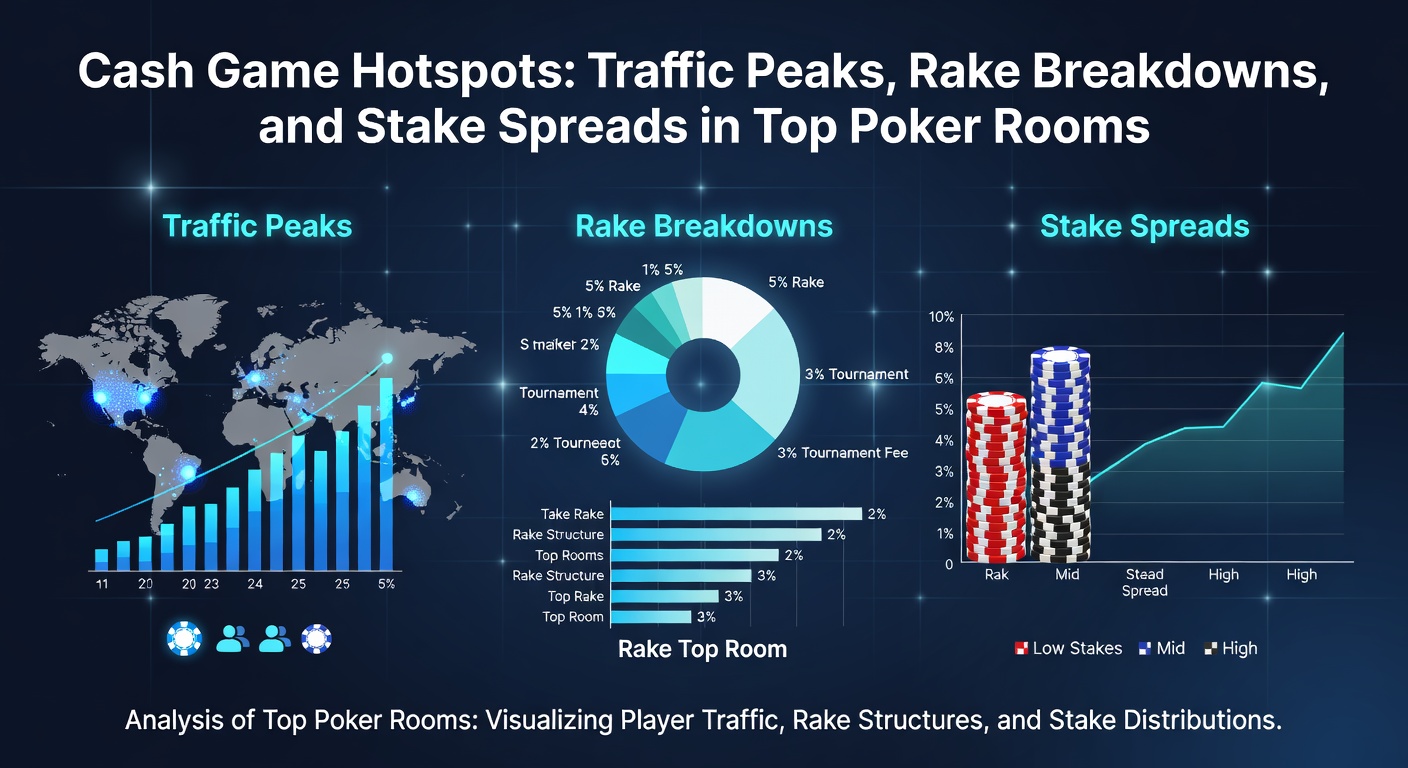
Online poker rooms draw massive crowds to their cash games during specific windows, where traffic surges create the hottest action; data from tracking sites like PokerScout reveals PokerStars leading the pack with over 20,000 concurrent cash game players on peak evenings, while GGPoker trails close behind boasting around 15,000, especially when Asian time zones overlap with Europe. Turns out weekends amplify this further, as Saturdays from 6 PM to midnight GMT see player counts spike by 30-40% across major platforms, since recreational players flood in after workweeks end and tournaments wrap up.
Experts tracking these patterns note how US-regulated sites like WSOP.com and PokerStars Nevada operate under narrower peaks tied to local hours; for instance, evenings from 7 PM to 11 PM ET pull in 5,000-8,000 players combined in states like New Jersey and Pennsylvania, according to figures from the Nevada Gaming Control Board aggregated through state reports. And here's where it gets interesting: March 2026 data shows a 12% uptick in these US peaks, driven by post-winter sports slumps pushing players toward steady cash action rather than volatile tourneys.
Smaller networks don't lag far; ACR Poker (Americas Cardroom) hits 4,000-6,000 players during late-night US hours, while partypoker sustains 3,000-5,000 in European evenings, creating diverse hotspots that cater to time-zone nomads chasing soft fields.
Peak Hours Breakdown by Region and Room
Global traffic ebbs and flows predictably, yet room-specific quirks emerge; PokerStars peaks hardest from 8 PM to 2 AM GMT, when Europe and early US overlap yields NLHE tables packed at every stake from $0.01/$0.02 up to $200/$400, while GGPoker's sweet spot shifts to 10 AM to 4 PM GMT aligning with Asian primes, flooding PLO and short-deck games. Observers point out how these windows correlate with lower rake impact per hand, since higher volume dilutes costs over longer sessions.
US players face regulated constraints that sharpen peaks; in Michigan, PokerKings sees rushes from 8 PM ET onward, hitting 2,500 players as BetMGM Poker joins the fray, whereas Pennsylvania's partypoker-Borgata combo peaks similarly but with fewer high-stakes options. Data indicates weekends extend these by two hours, and March 2026 brought extended surges into early mornings thanks to March Madness hangovers keeping night owls at felt.
Coastal Australia chimes in via offshore proxies like Ignition, where Sydney mornings (evening US time) draw 1,000-2,000 for AUD-denominated tables, blending seamlessly with global feeds. What's significant here involves how mobile apps boost off-peak fills, turning 2 AM lulls into viable 500-player grinds on mid-stakes.
Dissecting Rake Structures in Leading Rooms
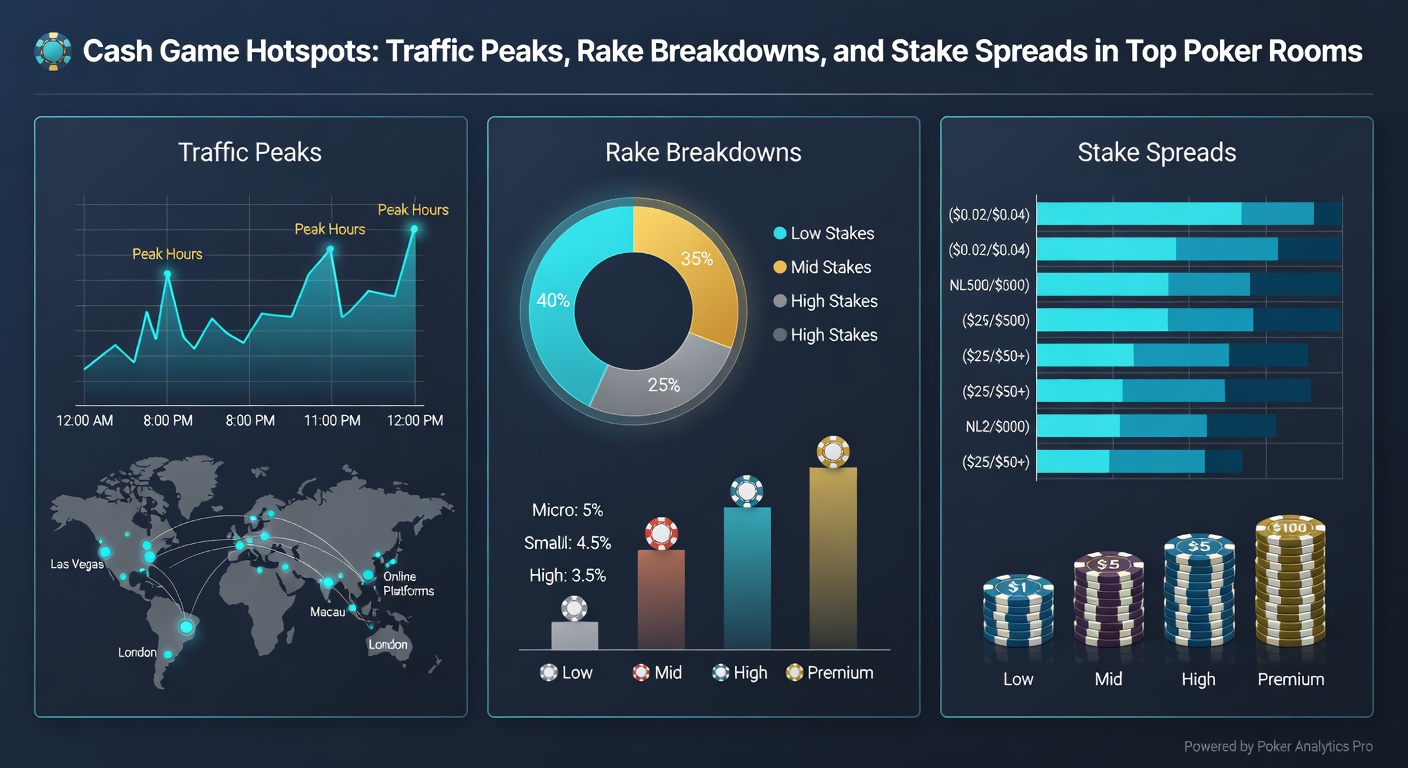
Rake breakdowns vary sharply between platforms, yet most charge 5-6.5% per pot with caps that scale by stake; PokerStars caps $0.30 on $1/$2 NLHE, escalating to $20 on $100/$200 games, while GGPoker matches at 5% uncapped for low stakes under $25 pots but introduces fish-buffet reductions for high-volume grinders. Turns out this structure favors regs during peaks, as data shows average rakeback via loyalty programs recoups 20-30% on sites like these.
US rooms tighten the screws under licensing; WSOP.com in NJ takes 5.5% capped at $3.50 for $1/$2, dropping to 4% on higher with no flop no drop policies that refund 100% if hands end preflop, whereas ACR employs a tiered 5.56% with $0.30-$4 caps plus bad-beat jackpots siphoning extra 0.5%. Researchers analyzing March 2026 hand histories note ACR's ironman promotions returning up to 27% rakeback, making it a grinder haven despite offshore status.
Partypoker innovates with 5% caps tied to table size—$4 max on 6-max $1/$2—while 888poker sticks to straightforward 5%/$3 drops, but adds speed game multipliers that hike effective rake by 10-15% during rushes. Here's the reality: capped structures dominate peaks, since pots balloon in loose fields, hitting limits faster and preserving win rates.
Stake Spreads: Filling Every Niche from Pennies to Palaces
Top rooms spread stakes wide to capture all bankrolls, with PokerStars offering unbroken ladders from NL2 ($0.01/$0.02) through micro NL10, mid NL50-200, up to nosebleed NL5K+ where traffic thins to 10-20 tables but action stays juicy; GGPoker mirrors this in PLO, running 50+ tables at NL25-NL200 during Asia peaks, extending to $500+ bomb pots. People grinding these spreads often find recreational fish heaviest at NL10-NL50, where traffic exceeds 1,000 tables globally.
US sites prioritize regulated safety with tighter spreads; PokerStars NJ runs NL5-NL200 reliably 24/7 during peaks, while WSOP.com caps at NL100 in most states but pushes NL400+ in NV tie-ins, drawing pros from live circuits. And in March 2026, Michigan's PokerKings expanded NL500 spreads after traffic booms, adding 20 tables that averaged $50k pots nightly.
Offshore leaders like ACR shine for high rollers, sustaining NL1K-NL5K with 50+ tables even off-peak, whereas partypoker fills NL200-NL1K best in Europe, blending MTT pros into cash for explosive sessions. Observers note how stake density peaks correlate with rake caps, ensuring viability at extremes; for example, Ignition's AU$0.10-$100 spreads pull 200 tables mid-stakes during trans-Pacific overlaps.
Navigating Traffic, Rake, and Stakes for Optimal Play
Combining these elements reveals strategic hotspots; players targeting PokerStars evenings snag 200+ NL50 tables with sub-5% effective rake post-promos, while GGPoker daytimers chase PLO spreads where uncapped pots reward aggression yet volume rebates mitigate costs. US grinders pivot to WSOP.com nights for capped security, balancing 5.5% drops against state-taxed win rates.
Case studies from high-volume trackers show regs profiting 5-10bb/100 at peak micros on ACR, scaling to 3bb/100 mid-stakes on partypoker, with March 2026 upticks in stake availability boosting hourly rates by 15% amid crypto deposit surges. Yet offshore flexibility trumps in spreads, as 888poker's club model (via Beach Club) unlocks private high-stake traffic invisible to public trackers.
Software like Holdem Manager integrates these metrics, logging how peak overlaps slash wait times to under 30 seconds even at NL1K, while rake calculators project breakeven thresholds—typically 7bb/100 for NL100 viability. That's where the rubber meets the road for serious players chasing sustainable edges.
Conclusion
Cash game hotspots thrive on predictable peaks, transparent rake breakdowns, and expansive stake spreads that keep tables humming across top rooms; PokerStars and GGPoker dominate global volume, US sites like WSOP.com deliver regulated reliability, and offshore options like ACR fill high-end gaps. Data through March 2026 underscores rising traffic amid seasonal shifts, with capped rakes and loyalty returns ensuring long-term playability at every level. Those diving in find the action adapts to bankrolls and schedules, turning data-driven choices into consistent seats at the best tables.